Featured In New York Times New York Magazine 4.9 Google (50+ reviews)
Furniture Restoration, Conservation & Custom Fabrication

Furniture Conservation & Custom Fabrication

Museum-quality furniture conservation and custom fabrication — bronze and teak casework, architectural elements, and AIC-standard preservation.

Discuss Your Project

75+

Years of Expertise

AIC

Conservation Member

40+

Master Artisans

50yr

Warranty

Conservation & Fabrication

Museum-grade standards for every project.

Our conservation work meets the Secretary of the Interior's Standards for the Conservation of Historic and Artistic Works. Peter Triestman has been an AIC member since 1991, bringing museum-grade methodology to every piece that enters our workshop.

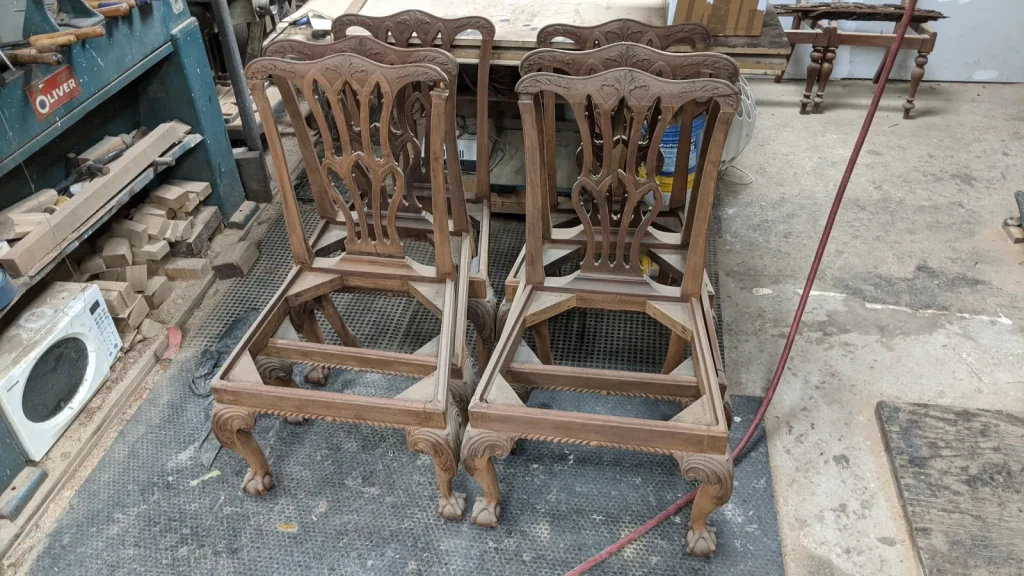
Whether stabilising a centuries-old masterpiece or fabricating precision components for a one-of-a-kind chair, we apply the same rigour: thorough documentation, reversible treatments, and materials that honour the original maker's intent.

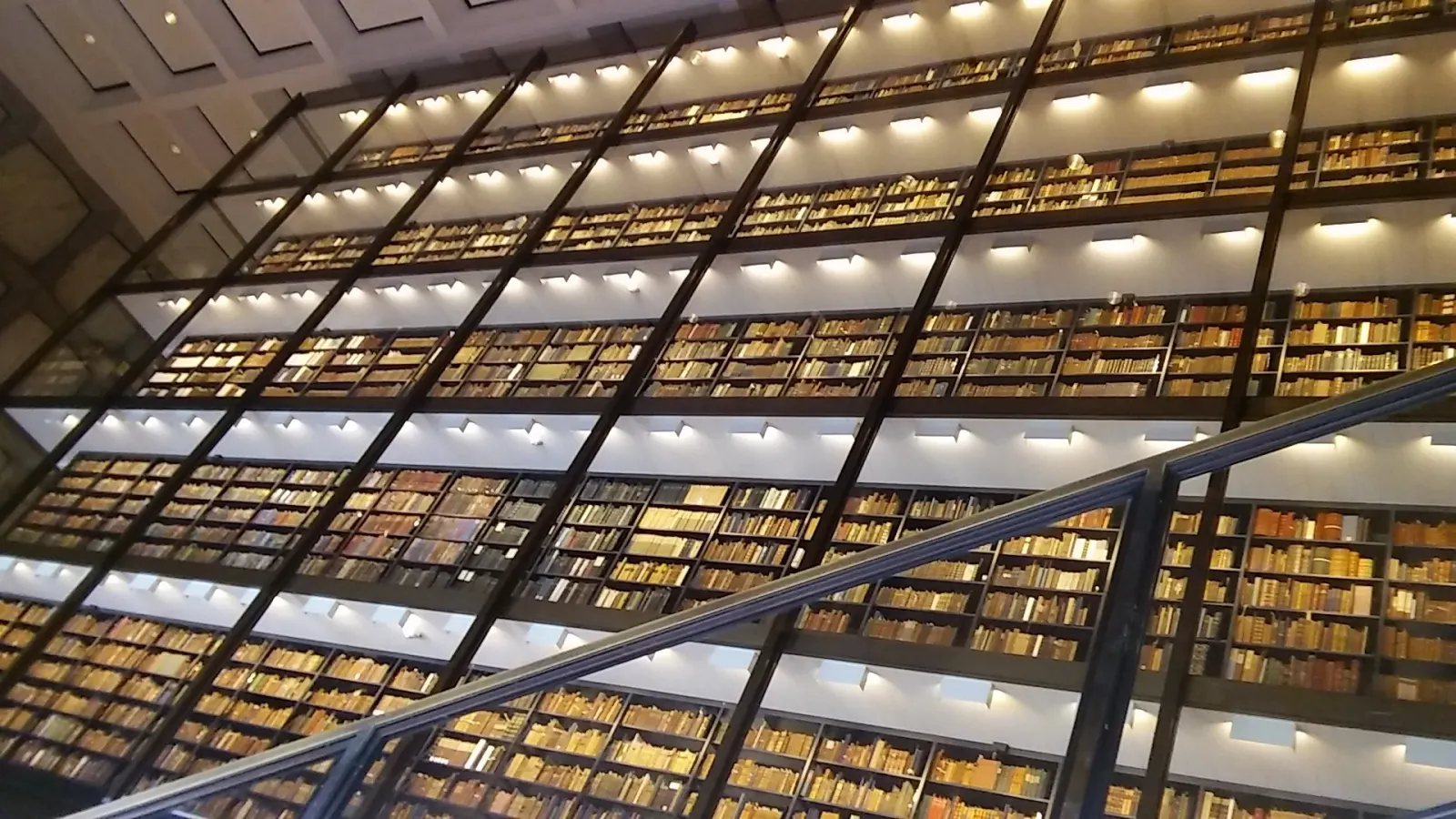
From institutional projects like Yale's Beinecke Library to private collections with irreplaceable heirlooms, our conservation and fabrication services bridge the gap between preservation science and traditional craftsmanship.

George III period mahogany dining table and chairs after conservation and restoration by Olek Inc.

What We Do

Conservation, casework & custom fabrication.

Furniture Conservation

We stabilise and preserve original material rather than replacing it — essential for museum pieces, historically significant furniture and items where originality determines value. Every treatment is documented and reversible.

Bronze & Teak Casework

Custom fabrication and restoration of bronze and teak casework for institutional and commercial clients. Our Yale Beinecke Library project included vitrines, lockers, security desk and reception desk — all to original specifications.

Custom Fabrication

From replicating lost hardware for a Sunball Lounge Chair (one of only seven made) to fabricating architectural elements for historic estates — our artisans create precision components that integrate seamlessly with original pieces.

George III period mahogany dining table and chairs after conservation and restoration by Olek Inc.

AIC Standards

Museum-Grade Conservation

Our conservation work follows the Secretary of the Interior's Standards for Historic and Artistic Works. Peter Triestman has been an AIC member since 1991, ensuring every treatment is documented, reversible, and executed with museum-grade precision.

We stabilise and preserve original material rather than replacing it. This approach is essential for museum pieces, historically significant furniture, and items where originality determines value.
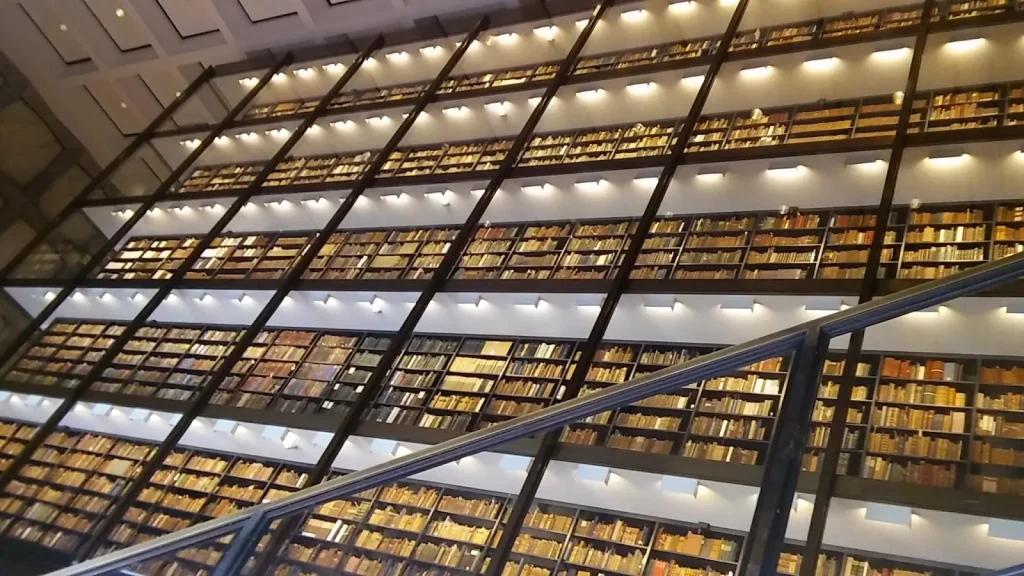
Yale Beinecke Rare Book Library bronze and teak custom casework fabricated by Olek Inc.

Institutional

Bronze & Teak Casework

We fabricate and restore bronze and teak casework for institutional and commercial clients. Our work at the Yale Beinecke Rare Book Library included vitrines, lockers, security desk and reception desk — all in bronze and teak to the original specifications.

Each piece is engineered to meet the durability demands of high-traffic institutional environments while maintaining the aesthetic standards of the original design.

Antique gilded Louis and Italian Rococo furniture after gold leaf restoration and conservation by Olek Inc.

Preservation

Gilded & Decorative Conservation

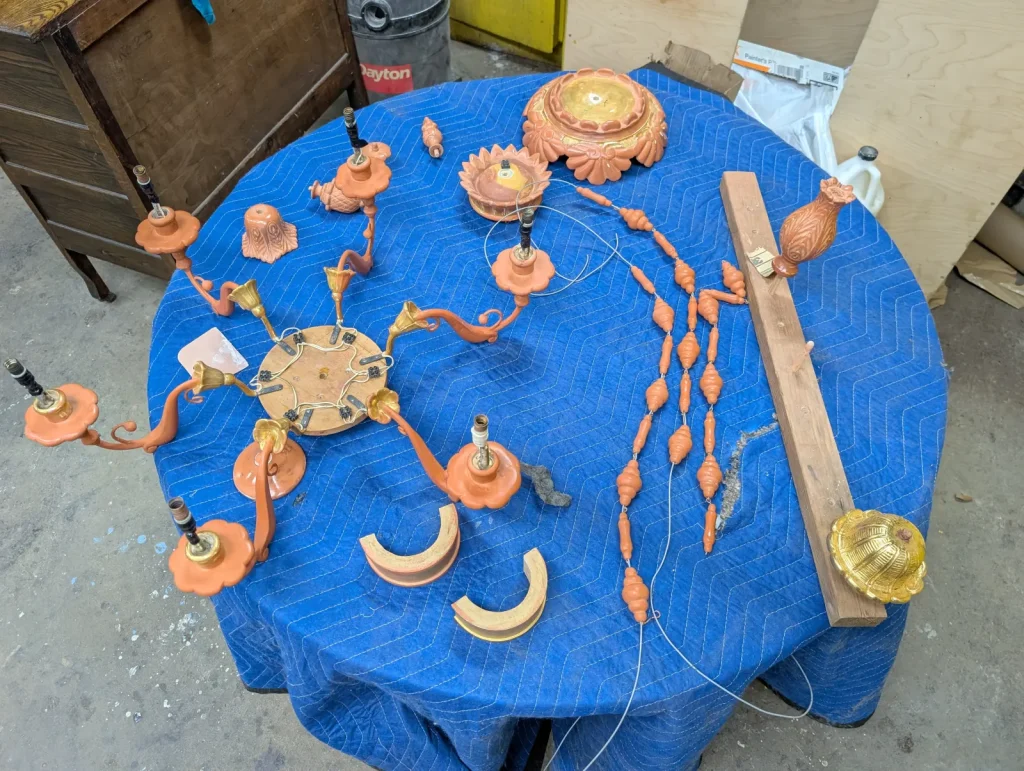
Conservation differs from restoration: we stabilise and preserve the original material rather than replacing it. For gilded furniture, this means consolidating original gold leaf, addressing structural issues in the substrate, and protecting surfaces with archival-quality coatings.

This approach is essential for museum pieces, historically significant furniture, and items where originality determines value.
Sunball Lounge Chair by Gunter Ris and Herbert Selldorf after complete restoration and reupholstery by Olek Inc.

Bespoke

Precision Custom Fabrication

From replicating lost hardware for a Sunball Lounge Chair — one of only seven ever made — to fabricating custom architectural elements for a Morristown estate, our artisans create precision components that integrate seamlessly with original pieces.

We reverse-engineer missing parts, match period materials, and produce components indistinguishable from originals using both traditional hand techniques and modern precision tooling.

Our Process

Conservation with documentation at every step.

Every conservation project begins with rigorous assessment and ends with a comprehensive report. We follow AIC-standard protocols to ensure treatments are documented, reversible, and scientifically grounded.

Our four-step process provides full transparency — from initial condition evaluation through material analysis, treatment execution, and final documentation — so you know exactly what was done and why.

01

Assessment & Documentation
Thorough examination of condition, provenance, and construction. We photograph every surface and detail structural issues, previous repairs, and areas of concern.

02

Material Analysis
Identification of original materials, finishes, and adhesives. We determine the best treatment approach based on the piece's age, construction method, and intended use.

03

Conservation Treatment
Execution of approved treatment plan using reversible methods and archival-quality materials. Every step follows AIC guidelines with full documentation of products and techniques used.

04

Final Report & Return
Comprehensive conservation report with before/after photography, treatment details, and care recommendations. The piece is safely packed and returned with complete documentation.

Conservation & Fabrication FAQ

What is the difference between conservation and restoration?

Conservation focuses on stabilising and preserving original material using reversible treatments — essential for museum pieces and historically significant furniture. Restoration aims to return a piece to a specific appearance, which may involve replacing original material. We offer both approaches and recommend the right one based on your piece's significance and intended use.

What does AIC membership mean for my project?

The American Institute for Conservation sets the ethical and professional standards for conservation practice. As an AIC member since 1991, Peter Triestman follows their Code of Ethics and Guidelines for Practice — meaning every treatment is documented, reversible where possible, and executed with the highest professional standards.

What types of custom fabrication do you handle?

We fabricate precision components in wood, bronze, teak, and other materials — from replicating missing hardware on rare collectible furniture to producing full casework systems for institutional clients like Yale's Beinecke Library. If it can be built from wood or metal, our artisans can engineer and produce it.

How do I know if my piece needs conservation or standard repair?

If your piece is a museum-quality antique, has historical significance, or its value depends on originality, conservation is the right approach. For everyday antiques and family heirlooms that need functional repair, standard restoration may be more appropriate. Send us photos and we will recommend the best path.

Sunball Lounge Chair by Gunter Ris and Herbert Selldorf after complete restoration and reupholstery by Olek Inc.

Discuss Your Project

Conservation requires precision. Let's talk.

Send photos or documentation for a free assessment, or call to discuss scope, condition, and timeline. Our conservation team will evaluate your piece and recommend the right approach — whether museum-grade conservation, expert restoration, or custom fabrication.

Drop photos here or click to browse

JPG, PNG, HEIC up to 25MB each